


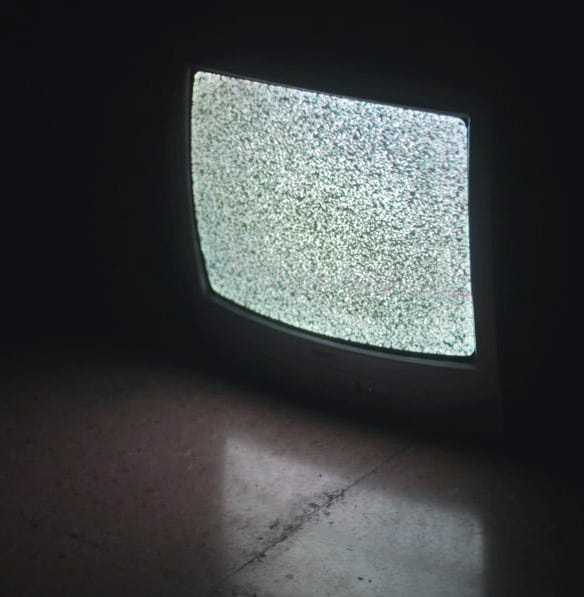
When I was a kid we had this dusty, boxy, grey television in our dark, carpeted living room. We didn’t grow up with satellite or cable so we’d spend a lot of time searching for public access programming — PBS’s NOVA series of science documentaries, mostly — that wasn’t obscured by a fuzzy mess of black and white noise. Frustrated, we’d get up to reposition the digital antenna we used to pipe signals in from the local television station. If that didn’t work, we would resort to the most scientific of methods: slapping the side of the TV with our open palms. That usually did the trick.
On poll-averaging, I think it’s time we slap the TV. The rough outlines of the image are coming through, but methods need a bump to lock on to the signal again.
The chart below is FiveThirtyEight’s average of polls for today’s recall election in California, where governor Gavin Newsom faces a challenge from right-wing activists to remove him from power. (He is very likely to win the recall and stay in p…
