


This is my weekly data-driven newsletter on politics, polling, and democracy — and whatever else I’m thinking about. If you want more frequent posts on these subjects please sign up for a paid subscription. I send out subscribers-only posts twice each week.
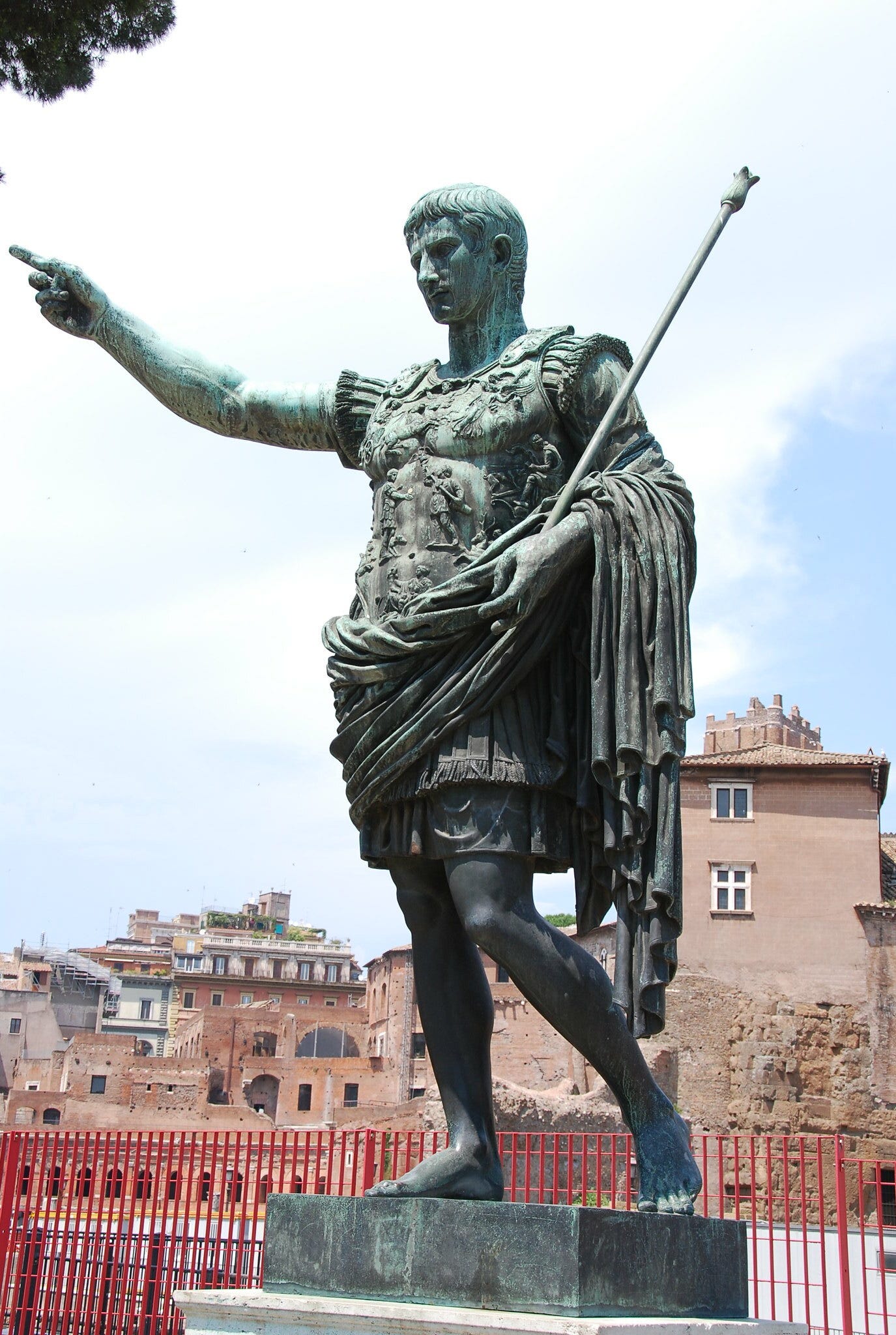
Some historians trace political populism to Ancient Rome. The populares (Latin for “favoring the people”), a political faction that existed at the time of the Republic and included figures such as Tiberius and Gaius Gracchus, Publius Clodius Pulcher (no, not that Publius), Julius Caesar, and Augustus, pushed for reforms to make life easier for normal plebeian Romans — and usually at the expense of Rome’s ruling-class patricians. (Of course, the fuller story is not so black and white. Many popularis consuls and tribunes were patricians themselves, and often used the “friend of the people” label just to consolidate power.)
One could also posit that so long as there have been societies, ther…
